
King Arthur’s Roman War campaign? Most people have never heard of it.
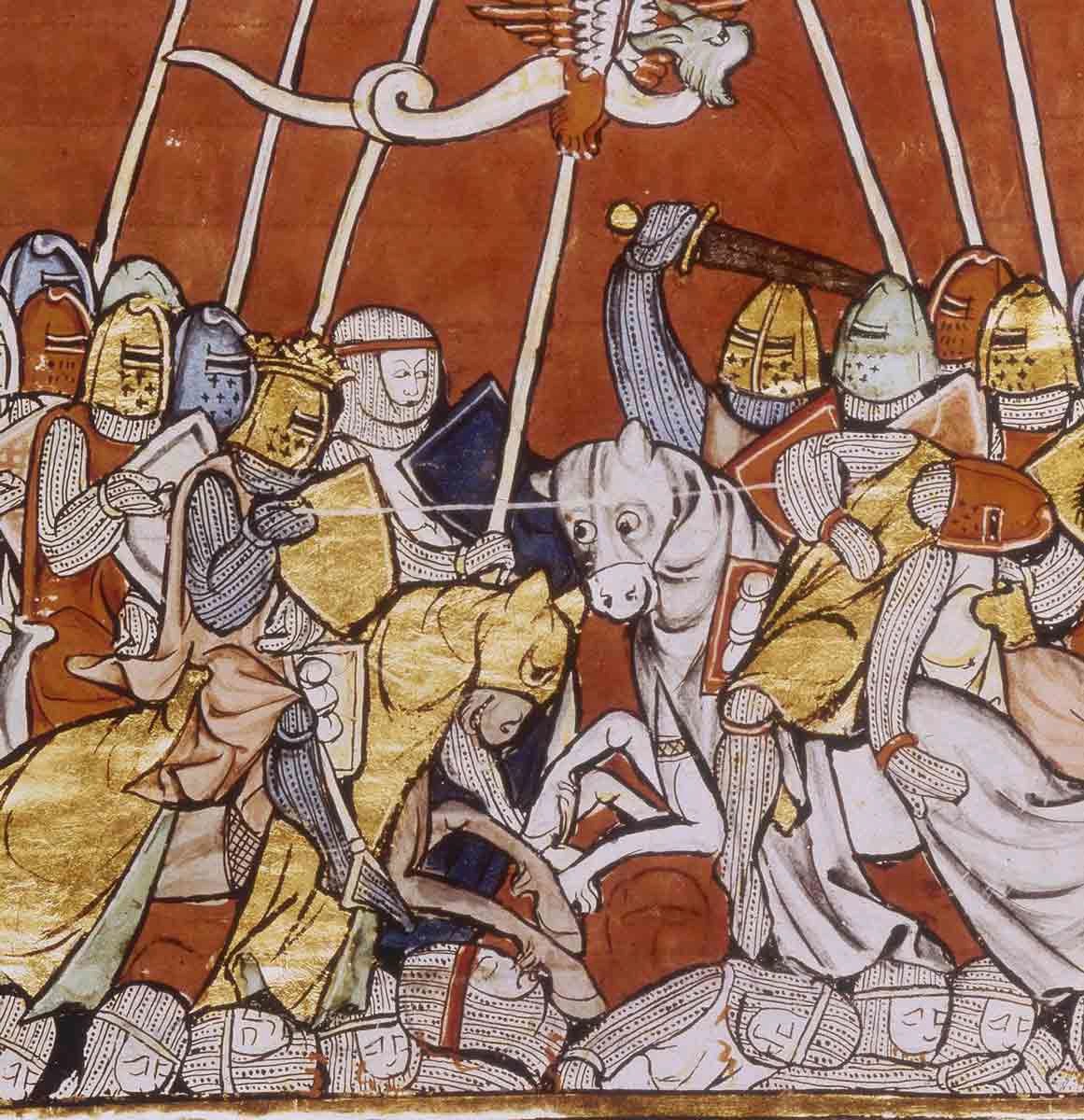
Almost everyone is familiar with the major plot outlines of the Arthurian story—a birth engendered by lust and magic, the iconic sword-and-the-stone episode, the Knights of the Round Table questing for the elusive Holy Grail. There is the Lancelot-Guinevere-Arthur love triangle, the treachery of Arthur’s illegitimate son Mordred, and the demise of the idealism of Camelot. Finally, there is the beguiling promise of a return: “Here lies Arthur, the once and future king.”
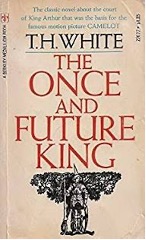
Those lines became the title of T. H. White’s 1958 novel and the basis for the Kennedy-beloved Broadway play, Camelot. The Harry Potter books also draw on themes from the Arthurian legend. There have been film versions too: Excalibur, King Arthur: Legend of the Sword, Indiana Jones and the Last Crusade, Disney’s Sword and the Stone, and plenty more. And then there is Monty Python and the Holy Grail, packed with witty one-liners and coconut sound effects.
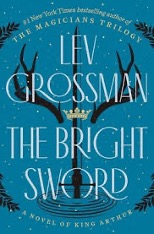
Lev Grossman’s 2024 The Bright Sword, an apocalyptic Arthurian fantasy novel, is said to be in development for a TV series.
In all of that, who has ever heard mention of Arthur’s Roman War campaign?
But for medieval English readers—the story of Arthur’s Roman War was a riveting bestseller!
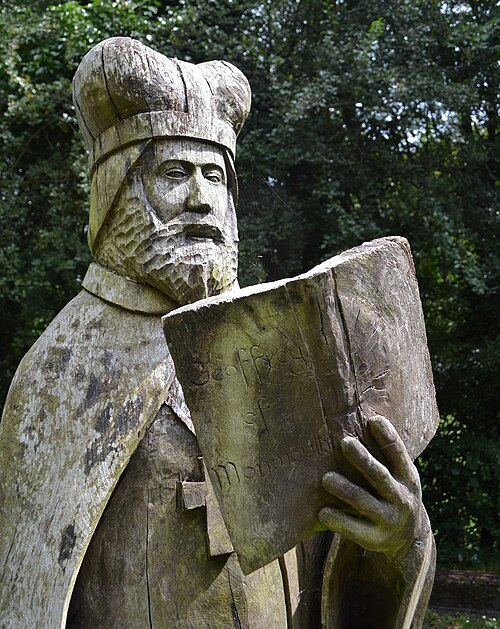
It started in the late 12th century with Geoffrey of Monmouth’s Historia Regum Britanniae (History of the Kings of Britain), written around 1136-38. A Welsh cleric, Geoffrey of Monmouth thrilled his readers (largely Norman who had recently taken control of England in 1066) with an alternate history (fake news).
Roman occupation of England (approximately 43-410 CE) was a distant memory, but fashioning Arthur’s fictional conquest of Rome provided a fantasy legitimacy for the Normans as conquerors themselves—as well as a cautionary tale about overreaching power. It was re-told as part of the alliterative Morte Arthure around 1400, then incorporated into Malory’s tale in the 1460s.
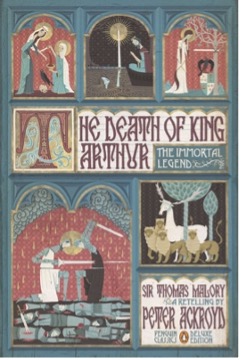
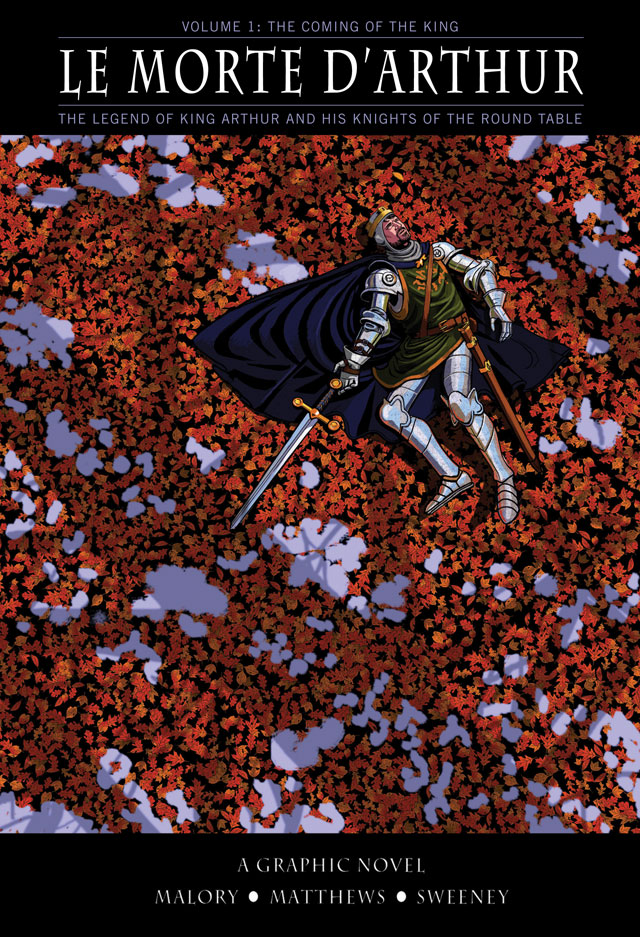
Over time, the story of Arthur’s Roman War faded in interest. William Caxton, first printer of Le Morte Darthur, shortened the account by at least a third. In the mid-20th century, C. S. Lewis remarked that Malory’s Roman War account was “a dreary business.” In a recent retelling in modern English (The Death of King Arthur), Peter Ackyroyd drops the Roman War tale altogether.
But a few factors contribute to recent interest in the tale:

- In 1938, a manuscript of Malory’s Le Morte Darthur was discovered in Winchester! Textual scholars (I am one of them) have poured over the differences between the longer manuscript version (c. 1465) and the printed edition (1485).
- Current interest in cultural geography takes a fresh look at maps as both literal and creative documents, revealing power dynamics and imagination.
- In 2004, the medieval walking route between England and Rome was established as a European Cultural Route. The Via Francigena, which inspired the Roman War itinerary, is once again an epic journey for pilgrims, ambassadors . . . and literary wanderers. I’m walking part of it this spring.
- And lastly, there is the enduring mystique of ancient Rome, the Eternal City.
So, andiamo—let’s head to Rome! Next—the details of the route.

 A Passionate Geography: Romancing King Arthur’s Roman War