
Literary geography—an imaginative, creative, or literary responses to landscape and place. It is also an awareness of the ways in which “spaces” are produced, created, or culturally sanctioned.
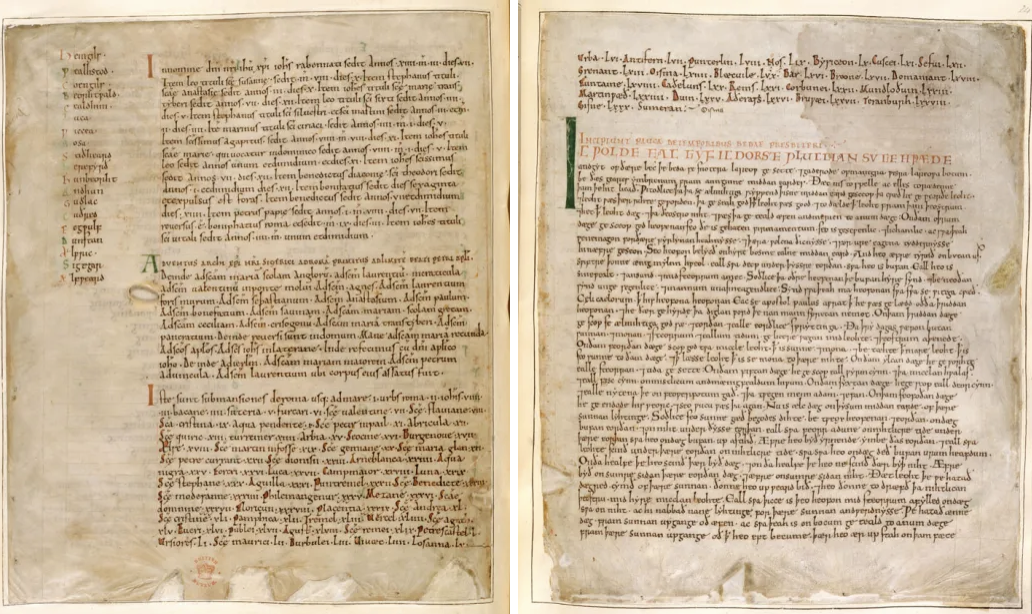
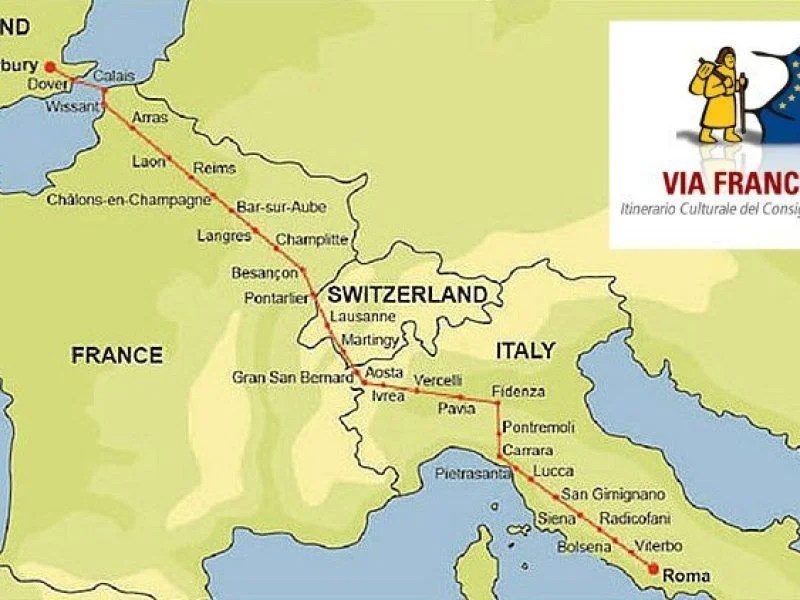
Writing about travel and geography, whether real or imagined, has a long and popular history. Archbishop Sigeric, for example, wrote down his return itinerary from Rome to Canterbury in the 10th century, and his two-page document is the basis of today’s Via Francigena, the walking route between England and Rome (although the route has been traversed since Roman times).
Other famous travel memoirs from the Middle Ages include Marco Polo’s Travels as well as the Travels of John Mandeville. A few contemporary favorites of mine include Patrick Leigh Fermor’s A Time of Gifts (1977), Francis Mayes’ Under the Tuscan Sun (1997), or, my son’s favorite, the Pulitzer Prize winning Barbarian Days: A Surfing Life (2017) by William Finnegan. Check out Tim Egan’s poignant A Pilgrimage to Eternity (2019) about his journey on the Via Francigena.
The interplay of geography and writing is at the heart of this blog: traveling, walking, mapping, experiencing a landscape in conversation with a narrative itinerary. A memoir of the journey that is both mindful of the book and of the present self.
For some reason, a part of Thomas Malory’s Le Morte Darthur, with its map-like narrative, captures my imagination. Something in Arthur rose up to refute the demand from Rome. Over time, I’ve come to regard that steely refusal. For Arthur, it was a huge risk, but one that came to define him as king. Later in the massive book, Malory makes a comment about Arthur: Here in thys worlde, he chaunged hys lyff. (Here in this world, he changed his life.) Much has been written about this statement, but for the moment take it as face value—don’t we all seek that?
Here, then, is a summary of the places that constitute Arthur’s epic journey to change his life in Malory’s Roman War episode. I’ll be following that route, too. Note: In the manuscript, proper names and place names are often written in red ink as seen in the Winchester manuscript, below.
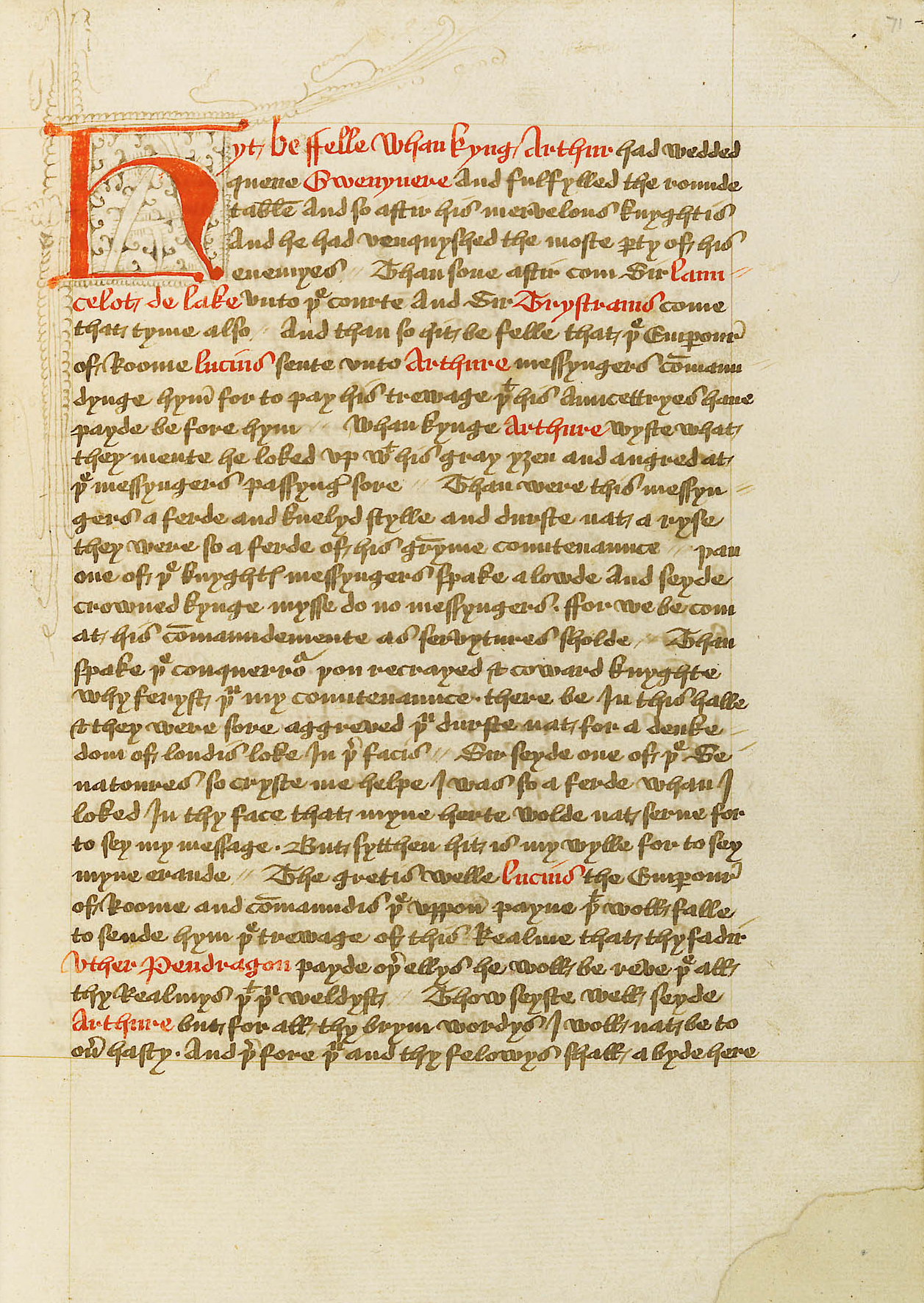
The Winchester Manuscript (Additional MS 59678), the British Library,
Itinerary/ Summary: A young King Arthur has recently married Guinevere and they join together at Christmastime for a royal feast at Camelot for the first full celebration of the Round Table. During the festivities, 12 ancient Roman ambassadors arrive, announcing that Lucius, the (fictional) Emperor of Rome, is demanding taxes and fealty from Arthur.
Citing old English chronicles, Arthur repudiates the Roman claim. Not only does he decide not to pay tribute; Arthur will march to Rome to vanquish Lucius and claim the title of emperor.
From Camelot, Arthur goes to York to hold a “parlement,” then heads to Sandwich, a bustling port in the southeast of England. Crossing over the English Channel at night, Arthur arrives with his troops at the coastal town of Barfleur in Normandy, France.
Upon arriving, Arthur hears about a gruesome giant that is terrorizing the area. Arthur seeks out the giant and kills him, directing that a church should be built at Mont Saint-Michel.
Meanwhile, Lucius has left Rome with a host of allies from the East, including “Saracens,” and enters France. In an early skirmish, Arthur’s men are victorious and take prisoners to nearby Paris. Soon, the two armies violently clash in a vale near Soissions (about a hundred miles northeast of Paris). After many battles, Arthur slays Lucius. But the campaign is not over.
Arthur takes a circuitous journey into Flanders and Germany (Alemayn), then gets back on track and heads to Lake Lucerne (Switzerland). By now it is summer in Malory’s tale: Arthur and his men march over the St. Gotthard Pass, a beautiful mountain pass through the Swiss Alps, into Italy. From here, they descend into Lombardy, subdue Milan, traverse Tuscany, and take Spoleto. They pause to rest for the winter in Viterbo, a landscape of vineyards about 50 miles northwest of Rome. In Malory’s account, a Roman delegation brings news that the empire capitulates. Arthur is then crowned Emperor by the Pope himself.
Come spring, Arthur’s men are eager to return to England so the arduous return, about 1500 miles, is undertaken. The victorious Arthur arrives in Sandwich and then on to London where Guinevere welcomes him home. Through this cross-continental endeavor, the young king establishes himself as a global power and as the true king of England.
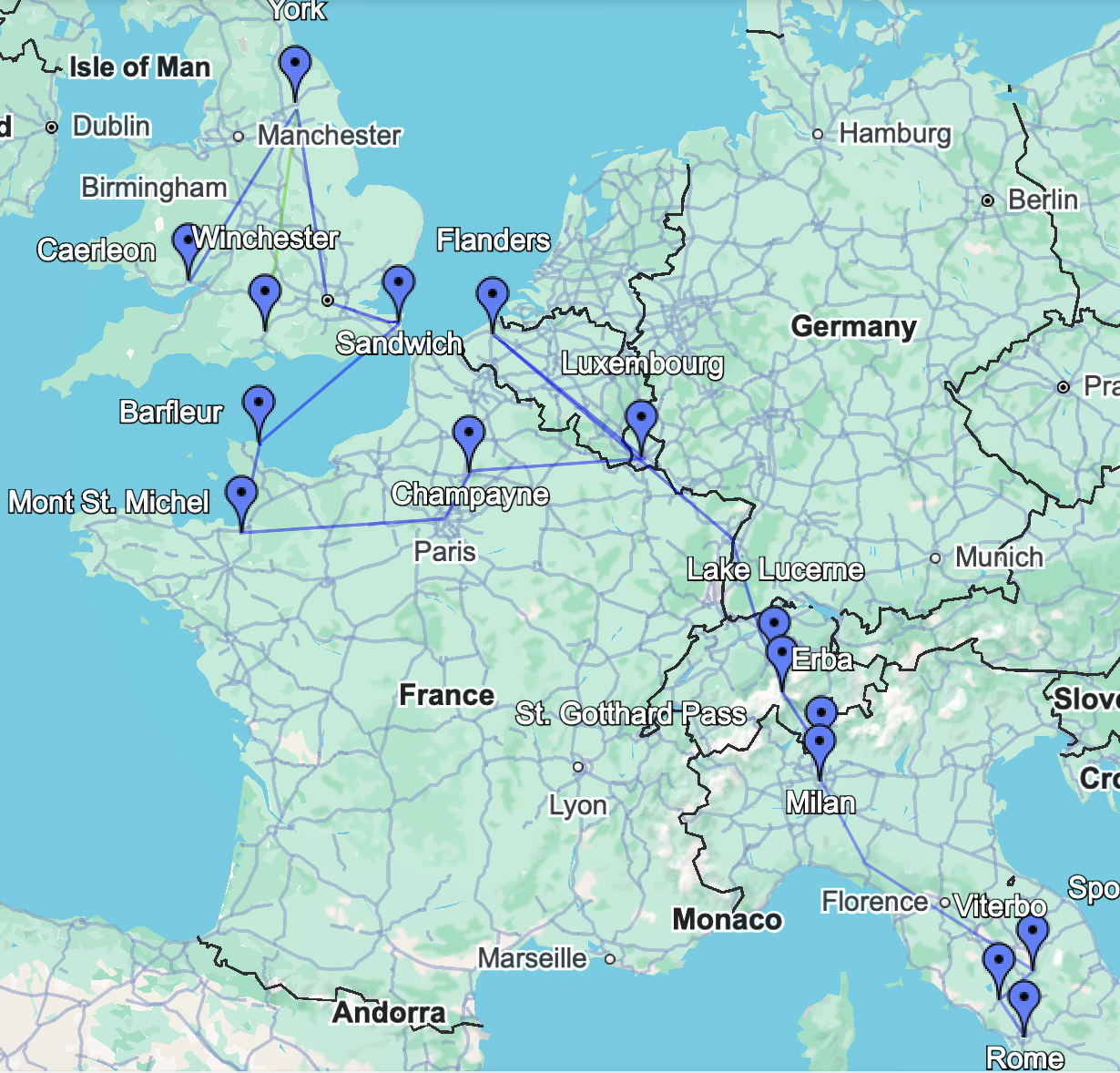
I created an interactive map of Arthur’s route on Google Earth that you can explore.
With Malory’s book as our guide, let’s start in Winchester.
Further Reading:
Timothy Egan, A Pilgrimage to Eternity (2019).

 A Passionate Geography: Romancing King Arthur’s Roman War